
Renting Your Smoky Mountain Cabin in Spring: What Owners Need to Know
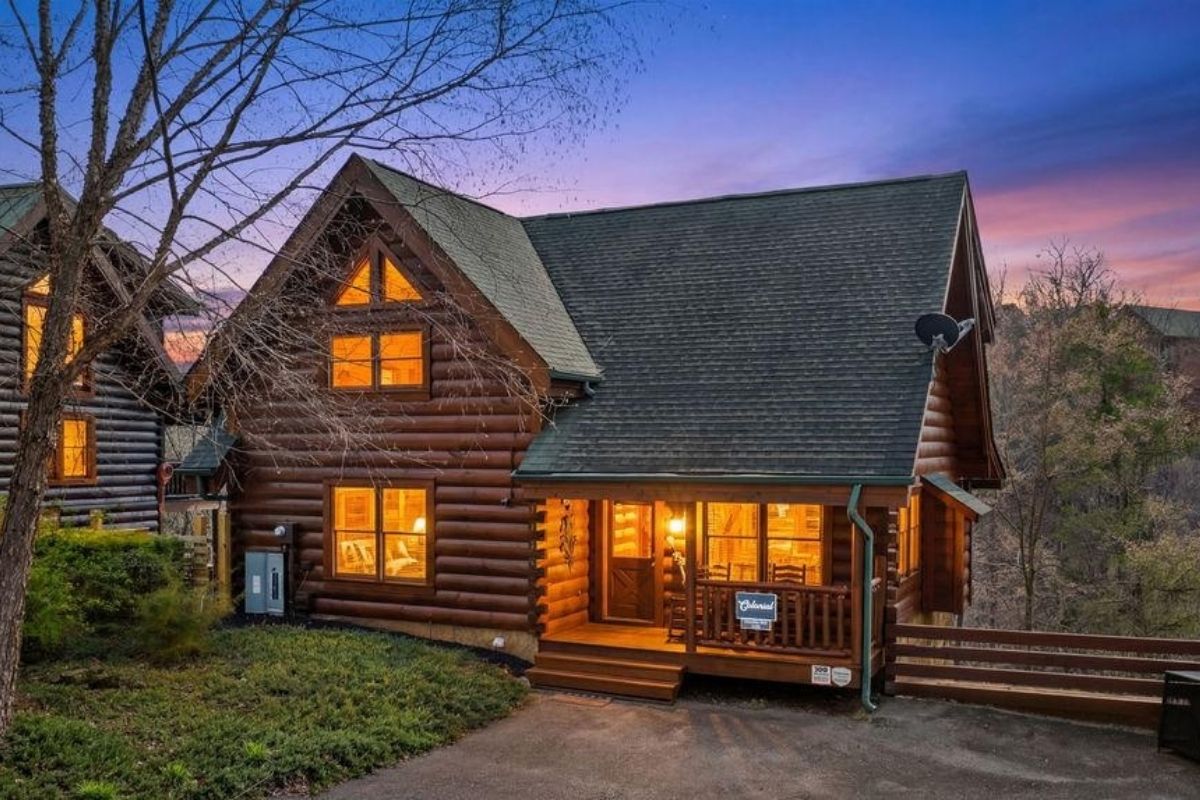
Spring is the most underestimated season in the Smoky Mountain vacation rental market. Most cabin owners think of it as the quiet period between winter and summer — a transition season to coast through until Memorial Day when the real money starts. That assumption costs them more than they realize.
The Smokies in spring are genuinely spectacular: waterfalls running at their annual peak from winter snowmelt and spring rains, wildflowers carpeting the forest floor of the national park in a display that draws dedicated visitors from across the country, the synchronous firefly event in late May that generates some of the most intensely competitive lottery-based demand in the entire national park system. Spring break fills cabins at near-peak rates for a concentrated two to three week period. Outdoor enthusiasts — hikers, fly fishermen, cyclists — emerge from winter and fill weekends through April and May.
This is not a slow season. It's a misunderstood one. Owners who understand it capture meaningful revenue during months their competitors are discounting aggressively and wondering why bookings are lighter than they expected.
What Spring Demand Actually Looks Like
Spring Break: The First Peak
Spring break is the first genuine demand spike of the calendar year, typically falling between mid-March and mid-April depending on which school districts are traveling. Unlike summer, where family bookings dominate, spring break in the Smokies attracts a mix of families with school-age children, college groups, and couples taking advantage of the break period.
The booking window for spring break is shorter than summer — most spring break bookings happen four to eight weeks in advance rather than the three to four months common for peak summer weeks. Owners who aren't watching spring break pricing until March are often working with a partially filled calendar for their best spring break dates.
Spring break rates should reflect the demand spike — not a generic spring discount rate applied uniformly through the season. The specific weeks of peak spring break demand (which varies by year and by which school districts dominate your cabin's guest profile) deserve pricing attention comparable to a strong summer weekend.
Wildflower Season
Great Smoky Mountains National Park is one of the premier wildflower destinations in North America, supporting more than 1,500 species of flowering plants — more than any other national park in the country. The wildflower display begins in earnest in late March at lower elevations and moves upward through the park through May, with different species peaking at different times and elevations throughout the season.
Wildflower tourism is a genuine demand driver that most cabin owners don't specifically account for in their pricing or marketing. Dedicated wildflower enthusiasts — and there are more of them than most people expect — plan trips specifically around the bloom windows for particular species: trillium, trout lilies, phacelia, and the showy orchid among them. A cabin within convenient distance of the park whose listing speaks to wildflower season proximity captures a share of this demand that a generic listing misses entirely.
The Synchronous Fireflies: Late May's Demand Spike
The synchronous firefly event at Elkmont Campground in Great Smoky Mountains National Park is one of the most remarkable natural events in the eastern United States — and one of the most intensely demand-generating. For approximately two weeks in late May, Photinus carolinus fireflies synchronize their bioluminescent flashing in a display visible only in a handful of locations worldwide. Access to the event requires a National Park Service lottery ticket, which draws tens of thousands of applicants for a limited number of viewing slots.
The firefly lottery generates significant lodging demand in the surrounding area. Guests who win lottery slots need somewhere to stay. Guests who don't win lottery slots but want to be in the area for the general late-May experience — which includes other firefly species and the general magic of the Smokies in late spring — also generate bookings.
Late May, driven by the firefly event and the Memorial Day weekend that typically bookends the period, is consistently one of the strongest weeks of the spring season. Owners whose pricing doesn't reflect this demand spike are leaving meaningful revenue behind.
The Outdoor Enthusiast Market
Spring in the Smokies draws a specific guest profile that differs from the summer family market and the foliage-focused fall guest: the outdoor enthusiast. Hikers returning to trails after winter, fly fishermen targeting the park's wild trout streams during the spring season, cyclists, birders, and naturalists make up a meaningful share of spring bookings — particularly on weekdays and during the shoulder weeks between the specific peak events.
This guest profile tends to be highly engaged with the outdoor experience, respectful of the property, and likely to return if the cabin served their needs well. They book based on proximity to trails, streams, and park access points — and they respond to listings that specifically speak to those features rather than generic cabin descriptions.
Spring Amenities: What Matters in This Season
Spring guests have different priorities than summer or fall guests, and the amenities that drive spring bookings reflect that.
Outdoor Access and Trail Proximity
For outdoor enthusiast guests, proximity to park access points, trailheads, and the national park entrance is a primary booking consideration. A cabin within fifteen minutes of a major trailhead has a feature worth surfacing specifically in the listing description — not just as a general "close to the park" claim but as specific information: which trails, how far, what the drive looks like.
Practical outdoor amenities matter too: a covered area to gear up or dry equipment, outdoor storage for bikes or kayaks, a hose bib for rinsing muddy boots, good lighting for early morning departures. These aren't glamorous amenities, but they're noticed by the guest profile that dominates spring bookings and mentioned in reviews when they're present.
Hot Tubs in Spring
Hot tubs remain a strong spring amenity — spring temperatures in the Smokies range widely, and evening temperatures at elevation can be genuinely cold through April. A hot tub after a day on the trail is a specific appeal for the outdoor enthusiast guest that shouldn't be underestimated. Maintain hot tub standards through spring with the same consistency as peak season.
Covered Outdoor Spaces
Spring in the Smokies means rain — sometimes significant amounts of it. Guests who planned an outdoor-focused trip and encounter a rainy afternoon need somewhere to be that isn't entirely inside. A covered deck or porch — with comfortable seating and a view — turns a rainy afternoon from a frustration into a different kind of enjoyable experience. Cabins with covered outdoor spaces consistently outperform those without during spring, when weather variability is highest.
Spring Operational Considerations
The Post-Winter Property Check
Spring is the season to assess what winter did to the cabin. Ice events, temperature extremes, and the expanded-then-contracted freeze-thaw cycle are hard on outdoor features specifically: decks, railings, steps, outdoor furniture, fire pit areas, and hot tub surrounds. A thorough inspection before spring bookings begin — looking for loose boards, damaged railings, frost-heaved steps, and any structural movement — catches issues that developed over winter before a guest encounters them.
This inspection is also the right time to service HVAC systems for the cooling season, check that all outdoor furniture survived winter storage, assess any tree or vegetation damage near the cabin or driveway, and confirm that all amenities are operational after the reduced use of winter.
The Mud Season Reality
Late winter and early spring — roughly February through early April — bring mud to many Smoky Mountain cabin properties. Gravel driveways that held up through summer may have soft spots after repeated freeze-thaw cycles. Unpaved paths to the hot tub or fire pit may be genuinely muddy. Guests with outdoor footwear track it inside.
Addressing the mud season reality proactively — adding gravel to soft spots in the driveway before bookings begin, ensuring the path to outdoor amenities is passable, providing a boot brush and mat at the entrance — reduces the mud-related friction that generates negative mentions in early spring reviews. A cabin that handles mud season gracefully stands out from one that doesn't.
Allergy and Pollen Awareness
Spring in the Smokies means pollen — significant amounts of it, particularly from the abundant tree species in the surrounding forest. Yellow-green pollen coats outdoor furniture, decks, and vehicles during peak bloom periods. Guests who are sensitive to pollen, or who simply notice that the deck furniture is covered in a yellow film, appreciate a cabin that's maintained with the season in mind.
Outdoor furniture and decks should be wiped down as part of spring turnovers — not just at the beginning of the season but throughout, as pollen levels remain elevated for weeks. A cabin that looks like it's been sitting unattended in pollen season leaves a different first impression than one that's been actively maintained.
Spring Pricing: What Most Owners Get Wrong
Applying Off-Season Rates Across the Entire Spring
The most common spring pricing mistake is treating the entire March through May period as a uniform shoulder season and applying reduced rates across all of it. That approach underprices spring break (which deserves peak-adjacent rates), misses the late May firefly demand spike, and underperforms the outdoor enthusiast weekend market that fills April and early May at rates higher than a generic spring discount reflects.
Effective spring pricing is granular:
- Spring break weeks: Near-peak rates for the specific high-demand dates, adjusted based on booking pace as the dates approach
- Wildflower peak weekends: Modest premium over standard spring rates, marketed specifically to the wildflower enthusiast audience
- Late May / firefly period: Strong rates reflecting genuine demand concentration, with Memorial Day weekend priced at near-summer levels
- Standard spring weekends: Competitive rates that reflect the outdoor enthusiast market without the dramatic discounting that leaves money behind
- Spring midweek: Genuine adjustment to reflect lower demand, while maintaining rates that acknowledge the spring appeal to guests with flexible schedules
Ignoring the Booking Window Dynamics
Spring break bookings happen four to eight weeks out. Wildflower and firefly bookings happen two to six weeks out. These shorter booking windows mean spring pricing needs active monitoring closer to the dates — not a rate set in January and left alone. An April weekend that's not filling by mid-March may need a modest adjustment. One that fills faster than expected may have room to hold or raise the rate.
Marketing Your Cabin for Spring
Spring guests are searching for something specific, and generic cabin listings don't speak to it. A listing that surfaces spring-specific features — wildflower season proximity, trail access, waterfall drive distances, the firefly event context in late May — attracts guests who are specifically planning a spring experience rather than a generic mountain trip.
Spring photography adds meaningful value if the cabin's surroundings are compelling in that season — blooming trees, green underbrush, waterfalls visible from nearby, wildflowers if any are present on or near the property. A listing with exclusively summer and fall photography doesn't signal that the cabin is worth visiting in spring, even if it is.
In listing descriptions, a brief seasonal note — "Spring is one of our favorite times at this cabin, when the wildflowers are blooming throughout the park and the waterfalls are running at their peak" — signals to spring-planning guests that the owner understands what makes spring special and that the cabin is well-suited to the season.
Spring as the Setup for Summer
One of the less obvious benefits of strong spring management is what it does for the summer that follows. A cabin that performs well in spring — earning strong spring reviews, maintaining good review velocity through the shoulder months, keeping the listing current and well-optimized — enters summer in a better platform position than one that went quiet from January through May.
Platform algorithms on Airbnb and VRBO reward consistent activity and recent review history. A cabin with a strong spring review record is more visible in early summer search results than one with its most recent reviews from the previous fall. The spring investment compounds into summer performance in ways that owners who treat spring as a throwaway season never capture.
Colonial Properties manages Smoky Mountain vacation rentals year-round, with spring pricing strategy that accounts for spring break, wildflower season, and the late May firefly demand spike — and operational standards that hold through the mud season, the pollen season, and the post-winter maintenance window that determines how spring actually goes.
If you'd like to talk through what a strong spring strategy looks like for your specific cabin, our Owner Success Team is happy to have that conversation.
Schedule a call with our Owner Success Team
Colonial Properties manages vacation rentals across Pigeon Forge, Gatlinburg, Sevierville, Wears Valley, Douglas Lake, and all of Sevier County. Learn more at managemycabin.com.

